| Ash, American |
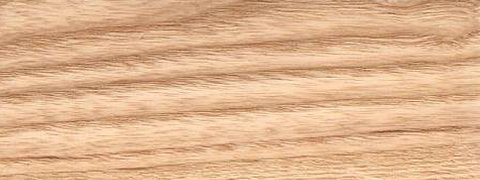
Fraxinus americana
Eastern USA
|
White Ash is considered the all-American wood.
Ash is very durable, coarse textured, and straight grained making it both flexible and shock resistant.
It is the wood of choice for various products such as pool cues, oars and garden tool handles as well, and is also well known for use in baseball bats.
AKA: White Ash, Green Ash, Black Ash
|
| Bloodwood |
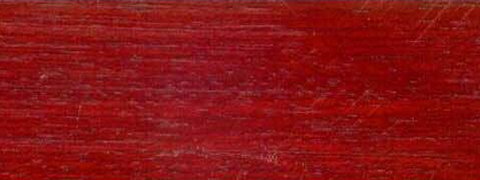
Brosimum paraense
South America
|
This distinctive deep red colored wood is found in Brazil, French Guiana, Guyana, and Surinam.
The tree is of medium height with trunk diameters that average about 18 inches.
Bloodwood is very resistant to insects and is a favorite with the crafter because it polishes nicely.
However it is extremely hard and is rather difficult to machine without carbide tipped cutting tools.
Common uses include boat building, decorative veneer, fine furniture, medicinal use, canoes, parquet flooring, and fine turnings.
AKA: Cardinal Wood, Satine
|
| Bocote |
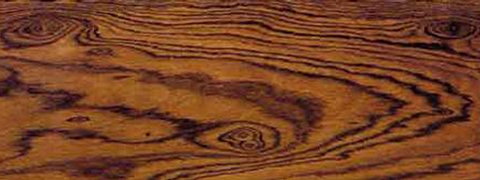
Cordia elaeagnoides
Mexico, Central America
|
This richly grained tropical hardwood is very scarce and is classified as rare or endangered throughout its natural habitat.
Bocote is native to Colombia, Cuba, Honduras, Mexico and Nicaragua.
Its grain varies from straight to roey and its texture is fine to medium with an oily appearance.
The tree varies in height to a maximum of 100 feet.
The wood is noted to be a very heavy hard wood, resists marring and denting, and is very resistant to decay.
AKA: Barcino, Cordiawood
|
| Bubinga |
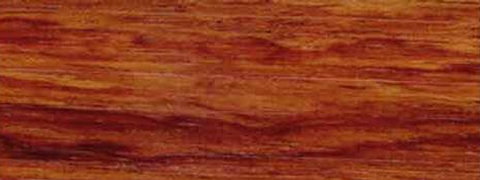
Guibourtia demeusei, G pellegriniana
West Africa
|
Also known as African rosewood, this exotic is heavy, hard and moderately coarse in texture.
The heartwood is red-brown in color with red and purple veining.
Bubinga logs can weigh more than 10 tons and can be milled to very wide planks.
AKA: African Rosewood
|
| Butternut |
Juglans cinera
Canada, USA
|
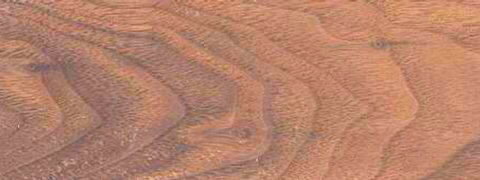
Prized for its use in church altars, Butternut is a straight grained, coarse-textured wood that is relatively soft and weak and is not durable.
The grain resembles black walnut, its family member, except the heartwood, which tends to be lighter in color.
In addition to its wood, butternut trees produce delicious nuts and a sap that makes syrup similar to that of maple syrup.
AKA: White Walnut
|
| Cambara |
Erbina uncinatum
Peru
|
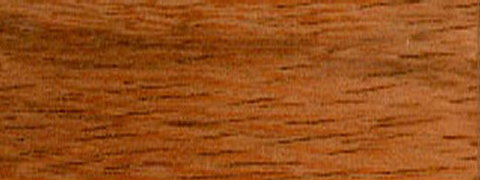
Cambará is a medium hard wood.
It is valued for its deep reddish brown color, ease of drying, straight grain, decay resistance, and finishing qualities.
The sapwood is lighter in color but with similar characteristics as the heartwood.
AKA: Jaboty
|
| Canarywood |
Centrolobium paraense
USA, Canada
|
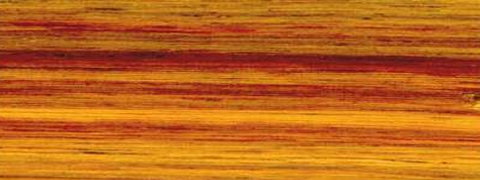
Pale olive green to clear yellow in color, it usually has darker streaks in shades of reds, purple, dark green, blue and black.
The wood is straight grained, occasionally with an attractive blister figure.
Texture is typically fine and even.
AKA: Putumuju, Tarara
|
| Cedar, Eastern Red |
Juniperus virginiana
Eastern USA
|
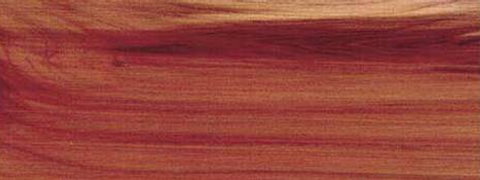
Common to chests and closets, aromatic red cedar has a straight grain, fine texture and contains numerous knots and bark inclusions.
Although called a "cedar", it's in fact not a cedar at all.
Instead, the timber comes from a juniper.
The oil and familiar scent make it very attractive and is said to repel moths.
AKA: Aromatic Cedar, Virginia Pencil Cedar
|
| Chechen |
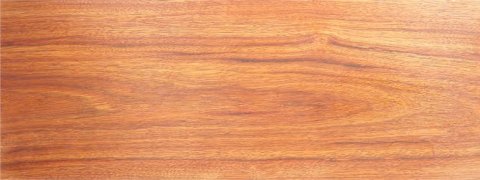
Metopium brownei
Central America
|
Chechen is distinctive because of its golden luster.
The color of Chechen heartwood is somewhat similar to American Black Walnut, a dark reddish brown color with dark brown stripes and lighter streaks.
The tree size ranges from the size of a shrub to a height of 50 ft with a trunk diameter of about 21 inches.
AKA: Black Poisonwood, Poisontree, Chechem
|
| Cherry, American |
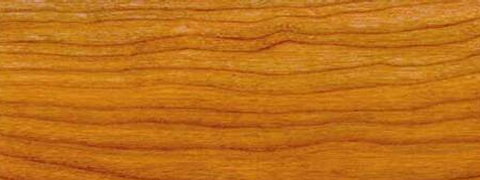
Prunus serotina
Eastern USA
|
As one of North America's finest and highly prized woods, Cherry is known as the wood that helped to develop the cabinet industry we have today.
With its straight, fine grain, smooth texture and reddish heartwood color, it's one of the most desirable of all the hardwoods.
Cherry is extremely stable and very beautiful when finished.
AKA: Black Cherry
|
| Cocobolo |
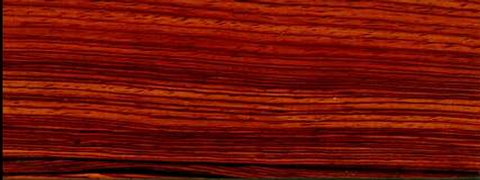
Dalbergia retusa
Costa Rica, El Salvador, Honduras, and Mexico
|
This beautiful dark grained hardwood has a high oil content that acts as a barrier to water absorption and imparts a waxy appearance when rubbed.
It is a favorite species for the manufacture of cutlery handles because of its attractive color, texture, durability, and waterproof characteristics.
The tree grows to a height of 45 to 60 feet.
AKA: Granadillo, Nambar
|
| COLORWOOD |
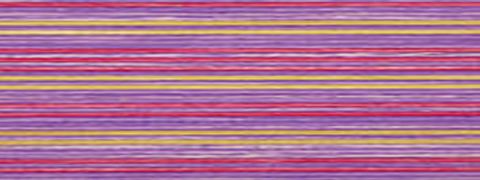
Style A
Style B

Style C

Style D
Style E
|
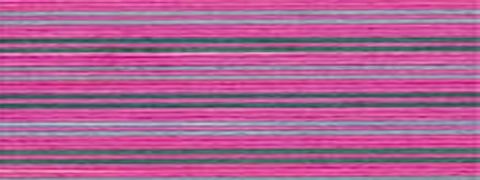
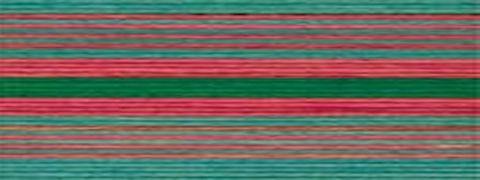
This is a laminated wood product, consisting of 1/16" thick dyed maple veneers in various color combinations. |
| Dakota burl |
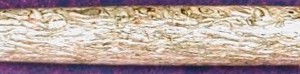 |
Dakota Burl is a unique material made from crushed sunflower seed hulls that have been impregnated with formulated resins.
These impregnated seed hulls are then bonded together under very high temperatures and tremendous pressure to form a totally homogenous product.
The unique pattern created by the seed hulls is beautiful, distinctly different from wood and makes a great conversation piece.
|
| Dymondwood |
Chutney
Crimson Ironwood
Dakota
Field & Stream
Heritage Oak
Madras
Paisley
Turquoise Gemwood
|
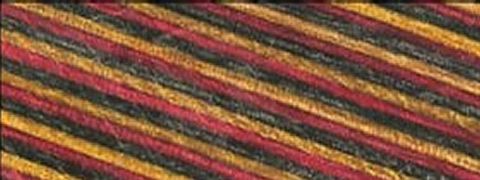
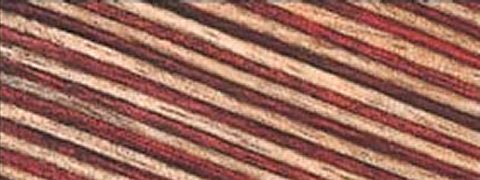
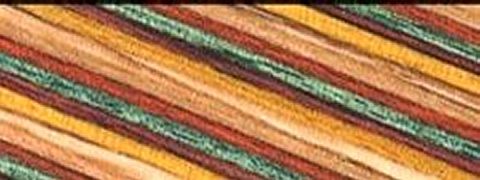
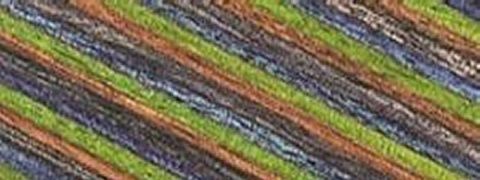
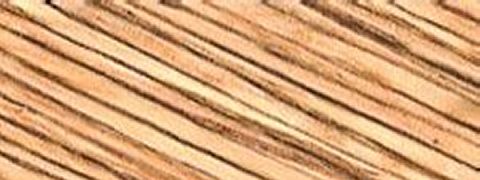
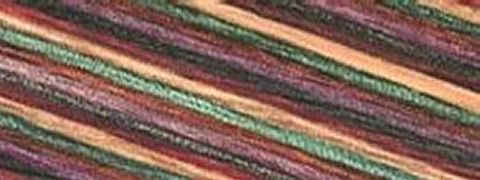
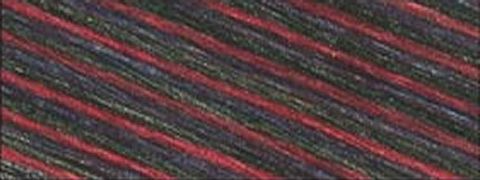
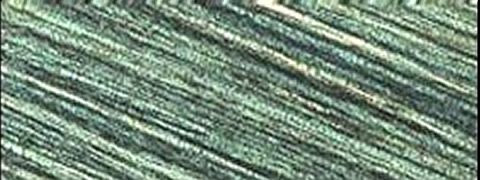
Another laminated wood product, Dymondwood is natural hardwood veneers that have been impregnated with specially formulated resins and permanent coloring agents.
These impregnated veneers are then bonded and densified under very high temperatures and enormous pressure.
The result is a totally homogenous wood product.
It is stable and not affected by extremes in temperature, humidity, or moisture.
The angle of the wood fibers running crossways through the blank produces a beautiful pattern that enhances the various colors.
|
| Goncalo Alves |
Astronium fraxinifolium, A gravolens
Brazil, Paraguay, & Uruguay
|
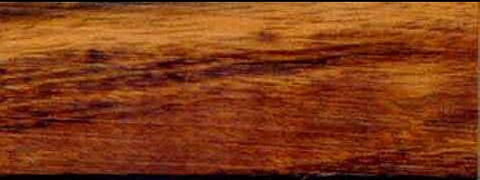
Gancalo Alves is distinguished by its two-tone appearance and variations in color.
It is a very durable, heavy hard, dense wood that requires machining with tools with carbide cutters.
Trees grow to 120 feet high with trunk diameters to 40 inches.
Although a lesser-known species, Goncalo Alves is one of the most beautiful tropical woods from Central and South America.
AKA: Tigerwood, Zorrowood
|
| Jarrah |
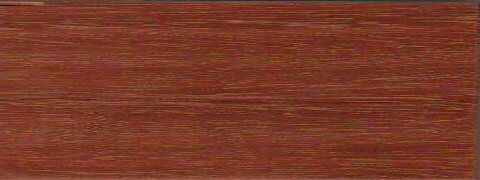
Eucalyptus marginata
Australia
|
Jarrah can grow up to 130 feet high in favorable conditions, with a diameter up to 6 feet.
Dark red to reddish brown wood. It has a coarse texture but finishes beautifully.
Jarrah is one of Australia's most important commercial hardwoods that grow in the southwest of Western Australia, mainly in the forests where rainfall is in the 30-50 inch per annum range.
It occurs in almost pure stands where mature trees have been known to be over 600 years old.
However, in poor conditions, it may only grow to 6 feet in height.
It is now being used extensively as an extremely attractive cabinet timber.
|
| Jatoba |
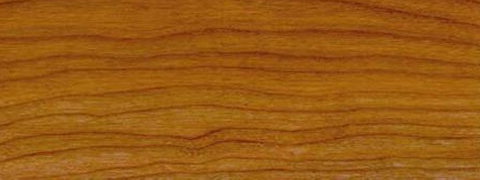
Hymenaea courbaril
Brazil
|
Found in Central and South America, this wood is very hard and strong.
Over 125% harder that red oak, Jatoba has shock resistant qualities similar to ash and hickory.
Because of its hardness, Jatoba can be used for many things including furniture, tool handles and flooring.
The bark of the tree is similar to paper birch and is great in canoe making.
AKA: Brazilian Cherry
|
| Kingwood |
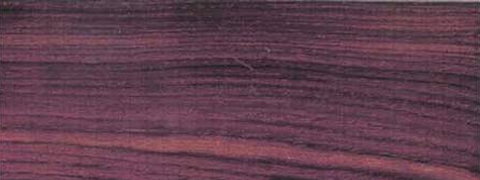
Dalbergia cearensis
Brazil
|
This rich dark wood has a luxurious straight grain and fine texture.
Although very strong and tough in all wood strength categroies, Kingwood is mostly used for decrorative purposes since its use is restricted by the small sizes available.
Today the wood is chiefly used in a veneer form for inlays and marquetry.
AKA: Bois violet, Violet Wood, Violetta
|
| Koa |
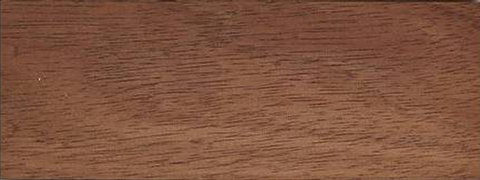
Acacia koa
Hawaii
|
Color varies from tree to tree, ranging from pale yellow or golden brown to deep chocolate, but more commonly reddish brown with light and dark bands in the growth rings and various attractive patterns, such as fiddleback and rainbow.
The wavy and curly grain is moderate to severely interlocked, the texture is moderately coarse, and the surface is quite lustrous and takes a high polish.
|
| Lacewood |
Roupala brasiliensis
Brazil
|
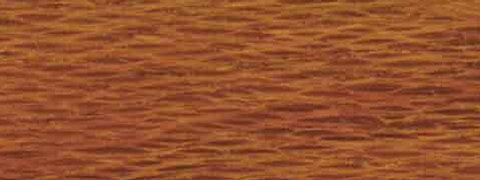
Possessing one of the most unique grain patterns of all the exotics, Lacewood is most easily recognized for its large rays.
Usually it has a straight grain and is coarse textured, with a light reddish-brown color.
AKA: Louro Faia
|
| Mahogany, African |
Khaya ivorensis
West Africa
|
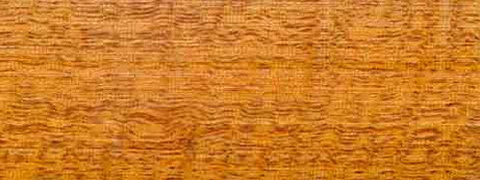
Color is yellow to reddish-brown.
Grain is interlocked with a straight, striped, or roey figure.
Texture is typically uniform medium to coarse, with a natural luster.
This wood polishes to an excellent finish.
AKA: Acajou
|
| Maple, Hard |
Hard Maple
Birdseye Maple
Curlly Maple
Acer saccharinum
USA
|
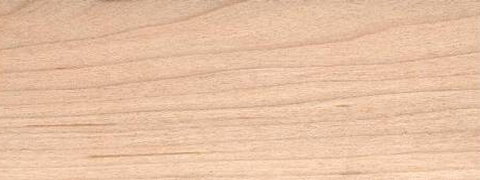
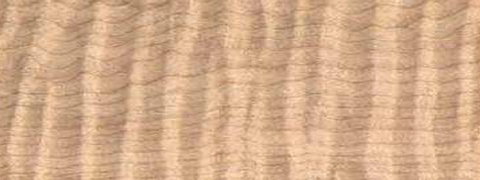
Known for its clear, white sapwood, hard maple is a heavy, dense, and straight grained wood.
It resists wear and abrasion and is commonly found as flooring in gymnasiums and bowling alleys.
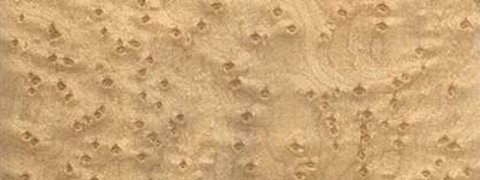
Distinctive features of the grain produce the famous birds-eye and curly figured woods.
Interesting to note, birds-eye is caused by a growth defect in the tree; small conical depressions that appear toward the center of the tree and follow each year outward with the annual growth rings.
AKA: Rock Maple, Sugar Maple
|
| Mesquite |
Prosopis juliflora
Southwestern USA
|
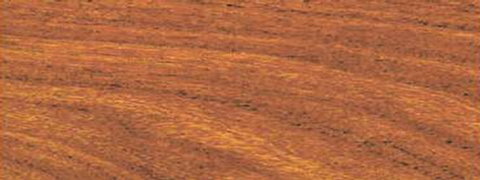
Prized for it's honey color and interesting figure.
AKA: Algaroba, Honey Locust, Ironwood
|
| Mopane |
AKA: Colophospermum mopane
Southern Africa
|
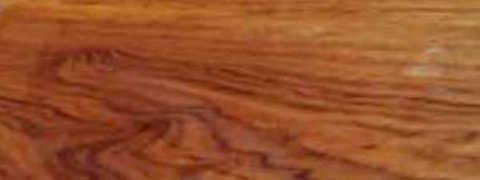
Mopane is a beautiful mellow brown wood with a dark, straight grain.
It has an ultra-fine and uniform texture and can be brought to a polished marble-like finish.
Density is 1100 to 1200 Kg/m3 making Mopane one of the most durable and hardest woods in the world and is the second hardest wood found in Africa.
|
| Myrtle |
Umbellularia californica
Western USA
|
This tree grows nowhere else in the world except a narrow band along the coast of Southern Oregon, in the Sierra Nevada and along the coast of California.
The early settlers of Oregon and California looked with amazement at this strange aromatic forest giant.
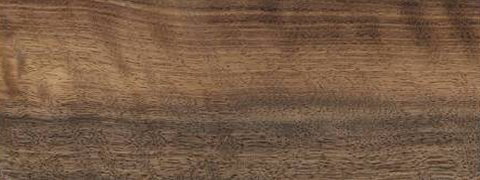
Myrtle is a dense hardwood sometimes varied in colors of red, yellow, brown, silver gray, and black.
The figure, if present, is of burl, fiddleback, curled and wavy grain.
AKA: California Olive, Mountain Laurel, Pepperwood
|
| Oak, Red |
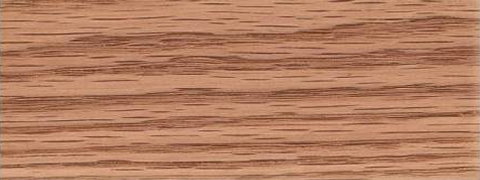
Quercus rubra
USA
|
One of the most commonly known of all hardwood species, red oak makes for a useful and fairly inexpensive wood.
This non-durable, straight-grained wood grows very fast, sometimes as much as a foot a year in some ecosystems.
Outside of interior woodworking, red oak is used for hardwood flooring since it's fairly inexpensive and has a beautiful grain when finished.
AKA: Spanish Oak
|
| Oak, White |
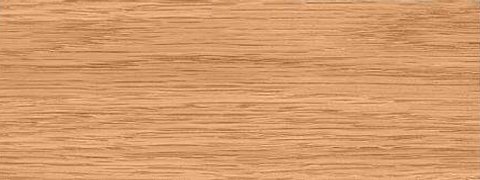
Quercus alba
USA
|
A versatile oak with many uses and qualities.
This wood is straight-grained with a moderate coarse texture and a pale-yellow to brown color.
It wears well and is resistant to exterior adversities.
It produces some of the finest oak veneers and lumber while being easy to work with and bending easily.
The most valuable aspect of white oak comes from its cells, which contain a honeycomb like substance called tyloses.
This makes white oak watertight and thus great for boat building and ideal in making whiskey barrels.
AKA: Chestnut Oak
|
| Padauk |
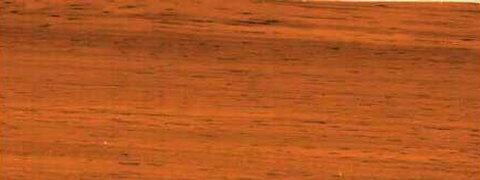
Pterocarpus soyauxii
West Africa
|
This elegant orange-brown hardwood tree often grows in small groups and is common in dense equatorial rain forests.
The tree grows to a height of 100 to 130 feet, clear of branches to 70 feet, and has trunk diameters from 24 to 60 inches.
Padauk possesses excellent weathering properties and will last for more than 25 years in contact with the ground without any preservative treatments.
AKA: Barwood, Camwood
|
| Pau Amarillo |
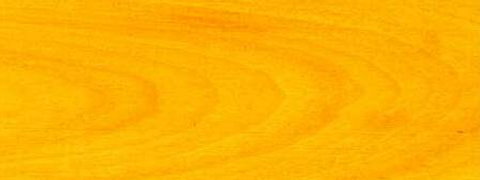
Euxylophora paraensis
Brazil
|
This interesting species exhibits colors that range from yellow through orange to red.
This is a heavy hard wood that is compact with a medium texture.
Pau Amerillo is very durable with great resistance to preservative treatment - a favorite for fancy turnery and decorative veneers.
AKA: Brazilian Satinwood, Yellowheart
|
| Pau Rosa |
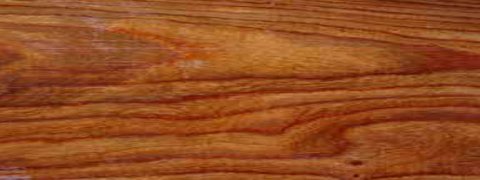
Swartzia fistuloides
Brazil
|
Peroba takes in a large group of timbers which range in color from a light creamy yellow to vibrant pink.
Pau Rosa has a marble appearance of yellows, pinks and streaks of light purple.
It is a very strong wood and takes on a marble-like polish.
AKA: Peroba
|
| Persimmon |
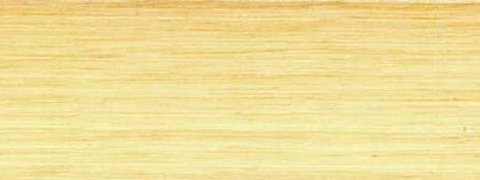
Diospyros virginiana
Southern USA
|
Color is creamy white to light yellow or grayish-brown.
The grain is fairly straight and dense, and the wood is fine and even-textured and takes an excellent finish.
Most famous as the wood used in golf club "woods",
AKA: Bara-Bara, Possum Wood
|
| Pink Ivory |
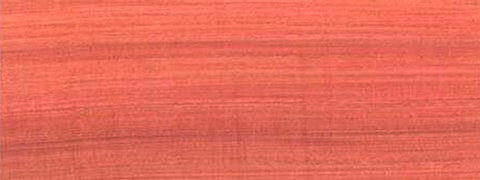
Rhamnus zeyheri
South Africa
|
The heartwood is uniformly yellow-brown with a red-gold lustre.
The pore structure is fine and the growth rings have alternate light and dark coloured areas giving a characteristic pink-red striped figure.
The grain is straight to interlocked or irregular and the texture moderately fine and even.
This very hard, heavy, tough wood is exceptionally strong.
AKA: Red Ivorywood
|
| Purpleheart |
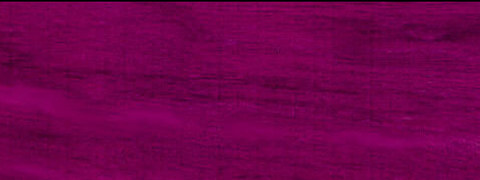
Peltogyne spp
Amazon basin, Colombia, Guyana, Surinam, & Venezuela
|
This wood is best known for its unusual purple color and has exceptional bending strength (far stronger than Maple, Oak, or Teak) with a high tolerance to shock loading.
It is highly desired by hobbyists and craftsmen who use this hard heavy wood in small projects.
The trees grow to 150 feet with trunk diameters up to 48 inches.
Purpleheart will slowly lose its color and turn to a rich-brown hue when cut due to oxidation.
AKA: Amaranth, Nazareno, Violetwood
|
| Rosewood, Bolivian |
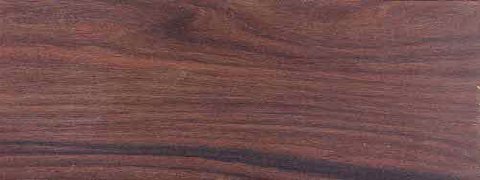
Machaerium schleroxylon
Central & South America
|
Morado is a dense, easily worked wood, purplish tan in color and streaked with brown or black figure.
It has a Walnut-like scent and takes a beautiful natural polish.
AKA: Morado
|
| Rosewood, Brazilian |
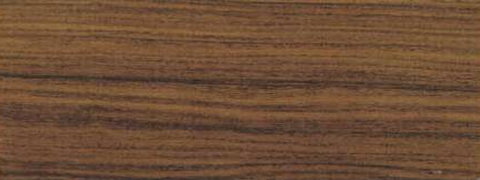
Dalbergia nigra
Brazil
|
Varies in color from shades of brown to red or violet, and is irregularly streaked with black.
The grain is typically straight, occasionally wavy.
Texture is medium to coarse and of medium luster.
AKA: Bahia Rosewood, Rio Rosewood
|
| Rosewood, Honduras |
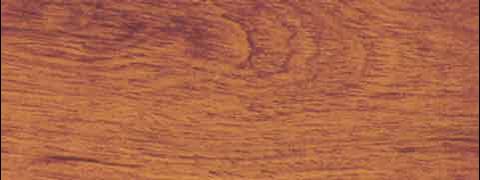
Dalbergia stevensonii
Honduras & Belize
|
Fairly scarce.
Color is pink to purple brown with darker and lighter bands in attractive combinations.
The grain is typically straight and the texture is medium to fine with a low to medium luster.
AKA: Nogaed
|
| STRATABOND |
Style "A"
Style "B"
Style "C"
Style "D"
|
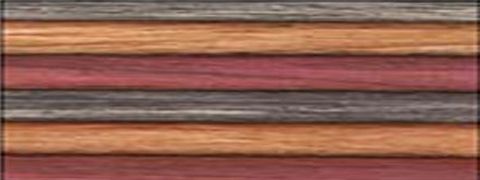
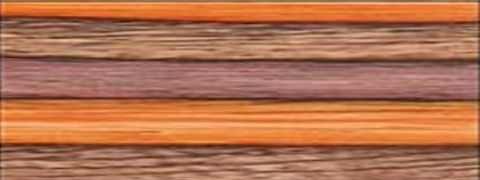
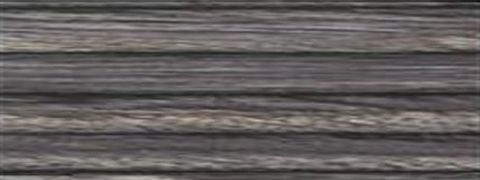
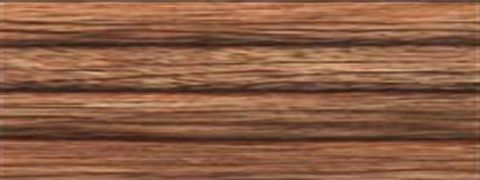
This is yet another laminated wood material.
A 2 1/2" thick block of Stratabond contains 29 or so individual layers of dyed birch veneers.
The grain of each veneer runs parallel to the next, but does not line up perfectly, giving a subtle offset grain appearance.
|
| Tasmanian Myrtle |
Nothofagus cunninghamii
Australia
|
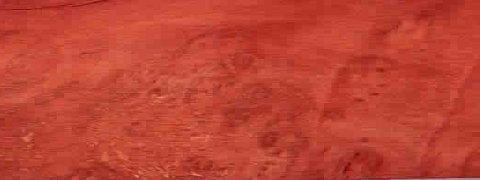
Tasmanian Myrtle can be a large tree.
It is actually a Beech tree with no obvious resemblance to the European Myrtle - the name Myrtle has stayed after long usage by foresters and bushwalkers.
A fine grained medium density hardwood, which lends itself easily to a variety of stains and finishes, the natural color of Myrtle varies from pink through red to purple.
Used extensively in fine furniture making and by craftsmen to produce exclusive items.
AKA: Tasmanian Beech
|
| Tulipwood |
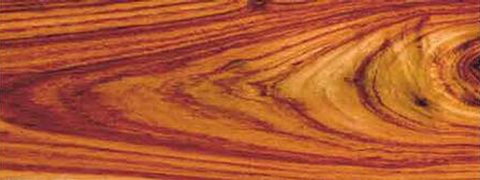
Dalbergia frutescens
Brazil, Colombia, Guyana, & Venezuela
|
Tulipwood is hard and dense with an elegant pink-yellow heartwood with a pronounced stripe of pink to deep red.
The wood is so hard that it dulls the cutting edges of cutting tools.
Because of the striking grain and luster, the wood is a favorite with craftsmen who use it for decorative pieces.
AKA: Bois de Rose, Pau Rosa, Pinkwood
|
| Walnut, Black |
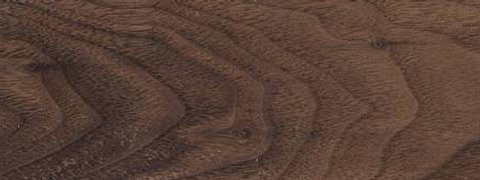
Juglans nigra
USA
|
Black Walnut is sought after for its great beauty and toughness.
It is fairly straight grained but can be wavy with a coarse texture and a dark brown to purplish black color.
Its workability is good and it glues well while holding its bending properties.
It accepts natural wood finishes extremely well and can be polished to a fine finish.
AKA: American Walnut
|
| Wenge |
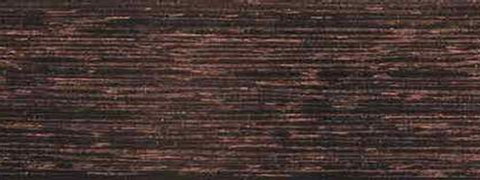
Millettia laurentii
Cameroon, Congo, Gabon, & Zaire
|
Wenge is in limited supply in the US market because of low yields and high expense of harvesting the heartwood.
The grain of Wenge is expressive with a straight to roey grain.
The color is a rich dark brown to black with fine, closely spaced dark veins and white lines.
The tree is medium sized reaching heights of 50 to 60 feet with trunk diameters of 30 to 36 inches.
AKA: Dikela, Pallissandre du Congo
|
| Yellow Poplar |
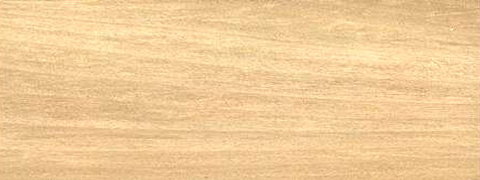
Liriodendron tulipifera
USA, Canada
|
Regarded as one of the more valuable hardwoods in the eastern United States, Yellow Popular or Whitewood is a soft, non-durable wood.
It has a straight, fine-textured grain and is lightweight.
One hour of exposure to summer sun can heavily darken this wood.
AKA: American Whitewood
|
| Zebrawood |
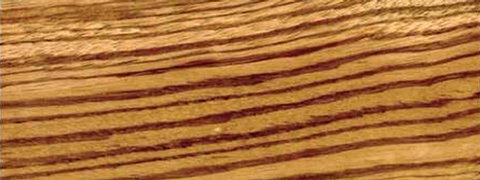
Microberlinia brazzavillensis
Cameroon, Congo, & Gabon
|
Zebrawood is a distinctive hardwood that is sometimes found in pure stands along river banks, but growing sites are reported to be quite inaccessible.
Although abundant, It is an expensive wood because of its difficulty to harvest and preparation necessary to bring it to market.
The heartwood is a light golden-yellow with narrow-veining streaks of dark brown to black rendering its zebra-stripe appearance.
AKA: Zebrano, Zingana
|
| Examples shown are representative of each species. Actual woods may vary widely. |

)
)
)
)
)
)
)
)
)
)
)
)
)
)
)
)
)
)
)
)
)
)
)
)
)
)
)
)
)
)
)
)
)
)
)
)
)
)
)
)
)
)
)
)
)
)
)
)
)
)
)
)
)
)
)
)
)
)
)